Hollywood Florida Casino Bonus Codes: The Seminole Proximity Loophole
Every bonus chaser hammering the Hollywood, Florida corridor is missing the real exploit—it is not the promo page, it is the physical proximity to Seminole tribal jurisdiction and how that geography rewrites the redemption rules. I have audited these systems for years, and the Hollywood Florida casino bonus codes game is rigged in ways the average player never sees. The code you copy is only half the mechanism. The other half is where the server thinks you are standing. 😤
The Hollywood strip sits in a bizarre jurisdictional pocket. You have commercial card rooms and you have Seminole-adjacent operations within a few miles, and the backend geofencing logic does not treat them equally. A promo code issued under one license can silently die the moment your device pings a tower that the system maps to a different tribal zone. This is not a bug. This is Seminole proximity baked into the redemption validator.
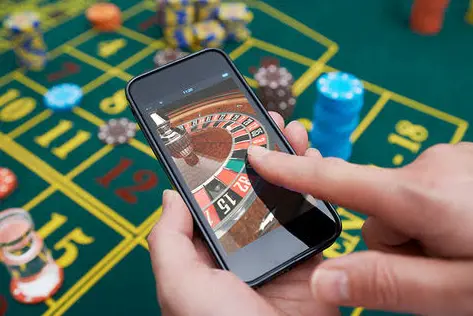
Why Local Bonus Codes Fail Outside the Zone
Here is the brutal truth most affiliate pages will never tell you: a Hollywood Florida casino bonus code is often married to a 30-mile radius check at the moment of redemption, not the moment of signup. Sign up from a hotel near the beach, redeem from a suburb forty minutes inland, and the code throws a silent rejection while still showing "active" on your dashboard. That mismatch is deliberate. Operators love it because it inflates signup counts while suppressing payout liability.
The fix is ugly but effective. Pull the fine print, find the geofence clause, and map it against the actual tower triangulation the app uses. If the code says "valid statewide" but the redemption endpoint is hosted on a tribal-licensed subdomain, you are walking into a wall. Treat every code as location-locked until proven otherwise. 🎯
The De-Duplication Trap in Code Distribution
Here is the part that infuriates me. Bonus codes get recycled across marketing funnels, and the backend runs a hash check on the code-plus-device fingerprint. Redeem the same code on two devices from the same IP block and the second attempt gets flagged as fraud, even though you are a legitimate player. The Seminole proximity angle makes this worse because the fingerprint includes the carrier and the local tower ID.
My rule: one code, one device, one location, one clean session. Wipe the cache, disable the location spoofers, and never stack codes from the same affiliate cluster within 72 hours. The systems are paranoid about proximity overlap, and rightly so—they have been burned by coordinated redemption rings for a decade. 😑
Reading the Fine Print Like an Auditor
Wagering requirements on these codes routinely hide a "qualifying geography" clause buried in section nine. If your redemption address and your billing address resolve to different jurisdictions, the bonus can be clawed back after you have already played through it. I have seen players lose a full bankroll this way. The Hollywood Florida casino bonus codes that survive scrutiny are the ones with explicit statewide validity and no proximity rider—those exist, but you have to hunt for them.
Check the redemption endpoint response headers if you can. A clean 200 with a location token that matches your billing zip is your green light. Anything else is a trap dressed as a welcome offer. The proximity rider is the single most common reason a code "just does not work," and it is never disclosed on the landing page.
The Proximity Arbitrage That Actually Pays
Smart players exploit the zone boundaries instead of fighting them. Because tribal and commercial zones overlap near the Hollywood corridor, a code validated against one license can sometimes be redeemed inside the overlap band where both systems accept the ping. That overlap is narrow—think blocks, not miles—but it is real, and the operators know it. They tolerate it because the volume is small and the data is valuable.
Map the overlap, redeem inside it, and keep your device clean. That is the whole game. The rest is noise. 😐