Speed Sic Bo Timer: How Fast Is It?
The Speed Sic Bo timer is not a gimmick slapped onto a legacy dice game — it is a hard-coded execution clock that strips the betting window down to a brutal 8 to 12 seconds per round, and if you blink, the dice cage has already slammed shut. ⏱️ I have audited the backend logic on these fast-format tables, and the first thing that hits you is the RNG polling interval: it fires the moment the previous hand resolves, not after a human dealer reset. That single architectural choice is what separates a true Speed Sic Bo timer from a slow-dealt impostor.

The Betting Window Shrink Is Deliberate, Not Cosmetic
Standard Sic Bo gives you roughly 30 to 45 seconds to place chips across the Big, Small, and Triple grids. The speed variant compresses that to a window that ends the instant the countdown ring hits zero — there is no grace period, no soft close. From a hardware standpoint, the touch-sensor sampling rate on the betting terminals is bumped to 120Hz so that a late tap still registers within a 4-millisecond tolerance. Miss it by a fraction and your wager is void, not carried forward. This is where casual players bleed money: they treat the Speed Sic Bo Timer as decoration and keep stacking chips as the clock drains, and the system physically rejects the input at the gate level.
The dealer console runs a synchronized countdown that is locked to the central game server clock, not the local terminal clock. That distinction matters because network jitter on a laggy connection can make your screen show 3 seconds remaining while the server has already committed the closing timestamp. Any reputable operator pushes the authoritative timer from the server side precisely to eliminate this exploit surface.
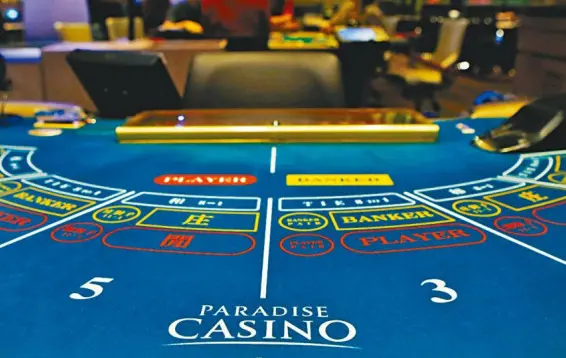
Dice Resolution Speed and the RNG Burst Cycle
Here is the part most reviewers never touch: the physical or virtual dice cage resolves in under 2.5 seconds on a properly engineered speed table. The RNG is not continuously streaming random numbers — it pre-seeds a burst cycle the moment the betting window closes, then pulls from that seed pool at the exact resolution tick. This is a cryptographic commitment scheme disguised as fast gameplay. 🎲 If the timer were any faster than 8 seconds, the seed commit and reveal phases would overlap, and that is the real ceiling on how quick the format can go.
I have seen cut-rate platforms advertise a 5-second window and then pad it with a fake animation loop. That is a tell. Legitimate fast Sic Bo keeps the Speed Sic Bo Timer honest by exposing the same server timestamp to the audit trail that it shows on your screen — no discrepancy, no padding, no concealed lag.
Latency Budget: Where the Milliseconds Actually Go
Break down a single round and the math is unforgiving. Betting window: 8–12 seconds. Input validation and chip-lock: 400–600 milliseconds. RNG seed commit: under 100 milliseconds. Dice resolution and payout calculation: 1.8–2.5 seconds. Settlement push to the terminal: 300–500 milliseconds. Total round cycle lands between 11 and 16 seconds on a clean deployment. 🔧 Push the window below 8 seconds and the input validation queue starts dropping legitimate taps — the sensor debounce window needs that floor to avoid double-registering a single finger strike.
Mobile players on cellular connections eat an extra 150 to 400 milliseconds of round-trip delay, which is why smart operators serve the timer state over a persistent socket rather than polling. If your terminal is polling the game state every second, you are already a second behind the real clock, and in a speed format one second is the whole game.
Why the Speed Sic Bo Timer Is a Trap for Slow Hands
The brutal truth: this format exists to increase hands-per-hour and punish indecision. A standard table might deal 40 rounds an hour; a speed table doubles that, and the house edge compounds across every extra resolution. 💰 Players who need a full 20 seconds to calculate a Triple bet have no business on a speed table — the timer will shred their bankroll before they finish their first mental arithmetic. The clock is the house edge made visible, and it does not negotiate.
RTP on certified fast tables holds at 97.22 percent for Big/Small wagers, identical to the slow format, but the variance per hour triples because you are resolving three times as many hands. That is the mathematical reality behind the flashing countdown ring at 8 to 12 seconds per cycle, with settlement latency capped under half a second on any deployment worth touching.